Trump Forced the Gaza Peace Plan on Netanyahu. But a Lot Could Still Go Wrong
Ben Samuels Haaretz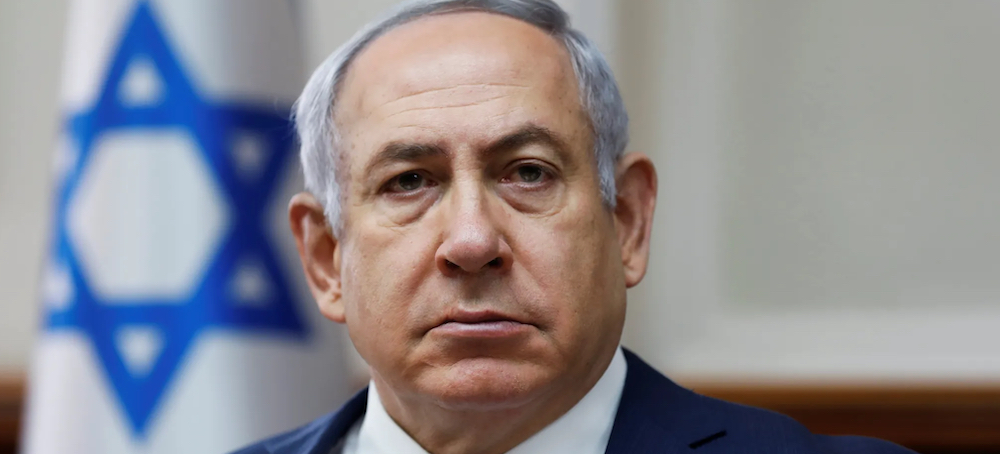 Israeli Prime Minister Benjamin Netanyahu. (photo: Brookings)
A forced apology in the first act, a 20-point plan very light on specifics - and the hovering feeling that Netanyahu will get yet another chance to prolong the Gaza war
For the past two years, senior U.S. officials in both the Biden and Trump administrations have long privately lamented - though public candor has recently increased - that Netanyahu has disproportionately dictated the terms of the U.S.-Israel relationship and the Gaza war. This also affected the more ambitious American efforts to advance Middle East peace.
With Trump flanked by a subservient and compliant Netanyahu, ever eager to get on Trump's good side, the U.S. president made clear that Netanyahu's runway for running circles around the White House is rapidly shrinking.
This started with a phone call between Trump, Netanyahu and Qatari Prime Minister Mohammed bin Abdulrahman bin Jassim Al Thani, where the Israeli prime minister was forced to apologize hat-in-hand like a student in trouble at the principal's office.
The act in itself served as humiliating enough for Netanyahu amongst his far-right allies in Israel, with Finance Minister Bezalel Smotrich unfavorably comparing him to Neville Chamberlain appeasing Nazi Germany.
Despite the blow to Netanyahu's domestic standing, his forced apology further represents how much of an own-goal the strikes on Hamas leadership proved to be. His vow to not strike Qatar in the future, yet again at the behest of Trump, only guarantees Hamas leadership continued security despite all his recent bluster of hunting them down no matter where they may be.
Trump has further staked his ownership of the conflict's resolution by committing to chairing the new international transitional body responsible for post-war governance known as the "Board of Peace."
The plan is still light on specifics - particularly concerning where exactly Israel's security perimeter will start and finish considering the White House-released map looks like it was created with Microsoft Paint and relevant timelines for Israeli withdrawals. It still represents, however, both a public resetting of goalposts for Netanyahu and something very hard to digest for Hamas leadership alike.
Netanyahu now faces the challenge of taking the plan back to his far-right partners while navigating pressure from the White House that has now staked its reputation on the plan's success and whatever diplomatic boons may result from it - even if the White House notably did not include guarantees concerning any potential Israeli annexation of the West Bank.
He also publicly voiced his opposition to some key elements of the plan, notably any future role of the Palestinian Authority in Gaza. In Netanyahu's orbit, this could mean he gets the leeway to accept the plan in theory without officially being held accountable.
He may very well be banking on the fact that Hamas will find the plan more objectionable than Israel does, which has often been the case since earlier this year, when every proposal from Special Envoy Steve Witkoff has effectively been Israeli-authored with American gift-wrapping. Should Hamas reject the plan, Trump openly promised Israel full support in doing what it needs to eliminate the group (read: for Netanyahu to prolong the war at whatever time-frame he deems fit).
Considering Trump insisted he had virtual total buy-in from the Arab world and all relevant partners, however, this would be an embarrassment that he may otherwise not have been willing to take on.
Trump's plan, which effectively marks a compilation of previous proposals from the U.S. and international partners alike, is more similar to Biden's May 2024 proposal than anyone is willing to admit. If only U.S. officials had placed adequate pressure on Netanyahu then, such a fawning press conference could very well have been held at some other juncture, and not days before the two-year anniversary of October 7.