Renewable Energy and National Security
Paul Krugman Substack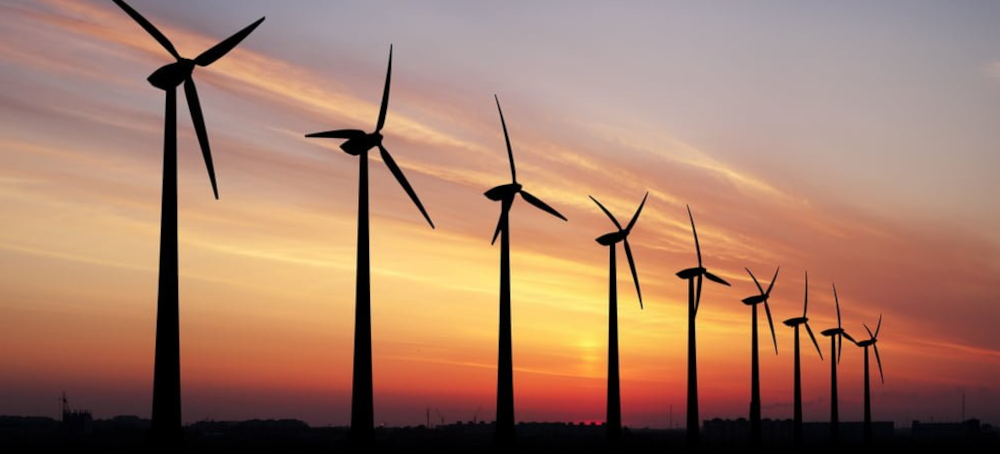 Trump's attack on Iran has unintentionally made a strong new case for renewable energy. (photo: iStock)
The wind and the sun don’t need to transit the Strait of Hormuz
The usual argument for promoting solar and wind power is that relying on renewable energy avoids the environmental damage caused by burning fossil fuels. This environmental damage includes, but isn’t limited to, climate change. In addition, air pollution imposes shockingly large direct and immediate costs by harming our health and reducing our life expectancy.
But now we know that there is another reason for nations to reduce their dependence on fossil fuels: security. In a dangerous world, it’s infinitely safer to rely on the sun and the wind than to depend on fossil fuels that must be transported long distances, from nations that are untrustworthy, often exploitative and located in regions that frequently devolve into war zones.
The current situation in the Middle East is essentially the worst-case scenario for world energy supplies. Normally around 20 percent of the world’s oil supply transits through the Strait of Hormuz. It’s also a crucial route for shipment of liquefied natural gas and fertilizer. That passage is now effectively closed and there are no good alternatives.
Donald Trump may say that he will reopen the strait. But short of regime change in Iran, it’s very hard to see how he can.Oil tankers are extremely vulnerable targets while drones, anti-ship missiles and mines are cheap. Moreover, the Iranian regime surely still has thousands of them in stock, in readiness for an attack just like this.
Ironically, the U.S. military, which has been using extremely expensive Patriot missiles — which are in limited supply — to shoot down Iranian drones, is now reportedly in negotiations to buy much cheaper drone interceptors and receive training in their use from … Ukraine, which has four years of experience in meeting such threats. But Ukrainian hardware and expertise will take time to arrive. In the meantime oil industry experts predict that the squeeze on oil supplies will become much more severe if the Strait isn’t opened within a few days.
While we are in the midst of a worsening crisis, many – including myself – are surprised that oil prices haven’t risen even more than they have, although they took another leg up yesterday. I guess speculators still expect the disruption to end quickly. Why is anyone’s guess. However, consumers across the world are already feeling the effects. While it is surprising that crude oil prices haven’t increased more, it’s also surprising how quickly retail gasoline prices have surged.
Europe is especially vulnerable. Europe is far ahead of the US in renewable energy capacity, but it still depends on imported LNG for much of its heating and electricity generation needs. While it imports only a small fraction from the Persian Gulf (the US is its biggest LNG supplier), the war is nonetheless delivering a severe blow to European economies: Asian nations, scrambling to replace their LNG imports from the Middle East, are driving up prices worldwide.
Now, Trump hates renewable energy, especially wind power. He has tried to destroy hundreds of millions of dollars’ worth of investment in offshore wind turbines and sought to block land-based projects as well, although in some cases he has been stopped by the courts. He has also put pressure on other countries to go back to fossil fuels. On Tuesday he lashed out at the UK, calling the British “very uncooperative” and attacking them for having “windmills all over the place that are ruining the country.” But Britain would be in much worse shape right now if wind power weren’t supplying about 30 percent of its electricity.
In fact, the British and other Europeans must be wishing that they were getting an even larger share of their energy from renewables rather than natural gas, freeing themselves from both the shackles of Trump’s delusions and Middle East war.
Writing in the Financial Times, Alan Beattie puts energy policy in the context of geopolitical rivalry:
The competing economic superpower offers are now as follows. From the US you get forced into trade deals promising a future of burning fossil fuels whose price is subject to wildly destructive US adventurism. From China you get reliably cheap EVs and green tech to generate renewables.
That may be a bit hyperbolic, but he has a point. I’d add that the problem with U.S. demands that nations burn, baby, burn isn’t just American adventurism. It’s also the fact that relying on the United States for LNG, which is what doing things Trump’s way would amount to, is itself unsafe. Are you sure that Trump or a Trump-like future president won’t cut off energy supplies to nations that annoy him? I’m not.
So the U.S. war against Iran is making a strong case for nations around the world to seek energy independence. And for those nations that don’t have large fossil fuel reserves, that means wind and solar (and, yes, nuclear.)
Donald Trump, hero of renewable energy? Who knew?