Iran Is Turning Out to Be a More Effective Enemy Than Many Thought, and US Allies Are Losing Their Patience With the War
Jim Edwards Fortune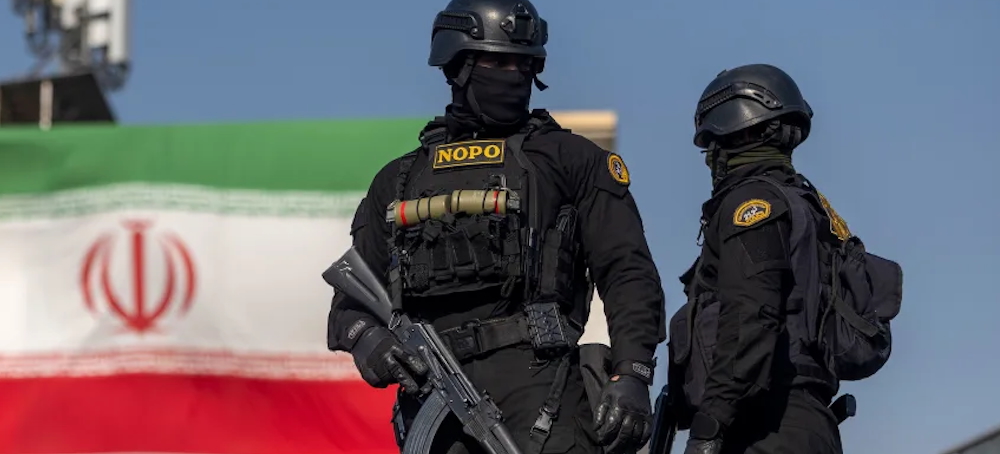 Iranian soldiers. (photo: Getty Images)
ALSO SEE: Gulf Allies Complain US Didn't Notify Them of Iran Attacks and Ignored Their Warnings, Sources Say
Iran is turning out to be a more effective enemy than many thought
In the past 24 hours, Israel conducted more strikes against Hezbollah in Beirut and continues to pound Tehran. Iran launched a new missile attack on Israel. Qatar stopped a drone attack on the U.S.’s largest base in the Middle East. Four suspected Iranian spies were arrested in the U.K. for conducting surveillance on the Jewish community. More than 23,000 flights have been canceled globally since Iran’s first retaliatory strike, according to Fortune’s Sasha Rogelberg. Iran has now gone six straight days without the internet.
Iran has begun targeting hyperscaler data centers in the Middle East operated by Amazon and Microsoft. “The Iranians view data centers as part of the conflict,” Matt Pearl of the Center for Strategic and International Studies told the Financial Times. “This is one way of having an actual impact on the region.”
Global energy prices continued to rise after an Iranian missile struck the only oil refinery in Bahrain, Fortune’s Jordan Blum reports. “The attack showed that Iran is now willing and able to land direct hits on the major energy assets of its Gulf neighbors, putting the safety of the regional infrastructure in further doubt.”
U.S. allies are losing patience with Trump
Qatar’s energy minister warned that the war could “bring down the economies of the world” by causing a complete shutdown of all Gulf energy exporters, driving oil to $150 a barrel. “Everybody that has not called for force majeure we expect will do so in the next few days that this continues. All exporters in the Gulf region will have to call force majeure,” Saad al-Kaabi told the Financial Times.
The business community in Dubai is livid. “Who gave you the authority to drag our region into a war with Iran? And on what basis did you make this dangerous decision?” Khalaf Al Habtoor, a billionaire Dubai hotel owner, said in a post on X. “You have placed the countries of the Gulf Cooperation Council and the Arab countries at the heart of a danger they did not choose.”
Analyst Ed Yardeni is having second thoughts: His team previously thought the conflict would be short. “On Tuesday, we had second thoughts about the length of the war. The Iranian regime had prepared for the war by adopting a chaos strategy, launching missiles and drones not just at U.S. and Israeli targets, but at its neighbors as well. The strategy includes shutting down the Strait of Hormuz to all shipping. By causing all this pain, Iran’s regime hopes that it will pressure its adversaries to negotiate a ceasefire that keeps the regime in power.”