Fish and Wildlife Service Clears a Cancer Causing Weedkiller
Hiroko Tabuchi The New York Times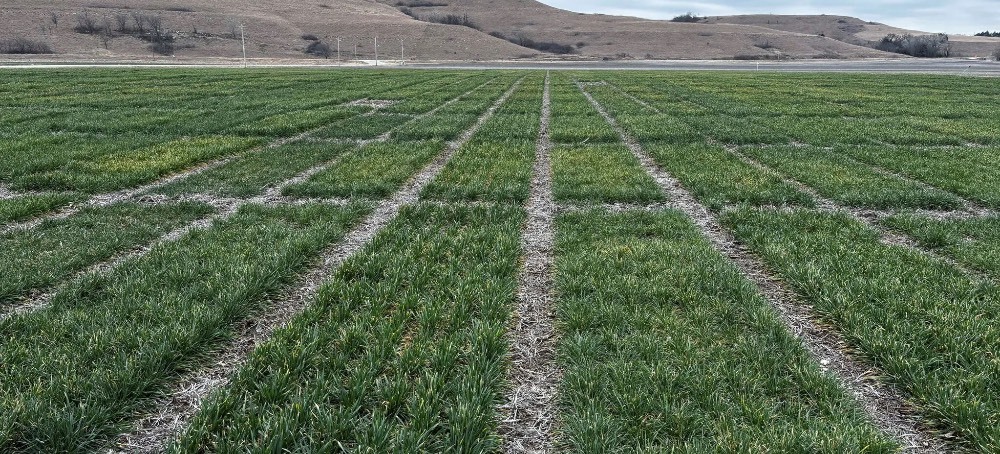 Test plots at a Syngenta research site in Junction City, Kan. Atrazine is made primarily by Syngenta. (photo: Reuters)
The findings were the latest turn in a yearslong policy battle over a herbicide that has become a pillar of food production in America, but has been linked to hormonal disruptions in frogs and contamination of waterways across the country, along with cancer and other diseases in humans.
The outcome of the review, by the U.S. Fish and Wildlife Service, was a victory for agricultural groups, including the Farm Bureau Federation and the National Corn Growers Association. Farmers applied on average 72 million pounds of atrazine a year on 75 million acres of crops, mostly corn, sorghum and sugar cane, according to the most recently available data.
The agricultural lobby has argued that losing access to atrazine could sharply reduce crop yields and raise food costs. Atrazine’s primary manufacturer is Syngenta, owned by the Chinese conglomerate Sinochem.
The findings angered environmental groups as well as supporters of Health Secretary Robert F. Kennedy Jr. and the Make America Healthy Again movement. Both have called for a ban on the weedkiller. And the findings diverged from a 2021 determination by the Environmental Protection Agency, following a court-ordered review, that the herbicide was likely to harm more than 1,000 protected species.
The Fish and Wildlife Service had been instructed to reassess whether atrazine would jeopardize the species’ continued existence. The agency concluded that minor generic changes were sufficient to protect endangered species from the weedkiller’s harms.