EPA Freezing Green Groups' Bank Accounts 'Strikingly Illegal,' Prof Says
Jeff Young Newsweek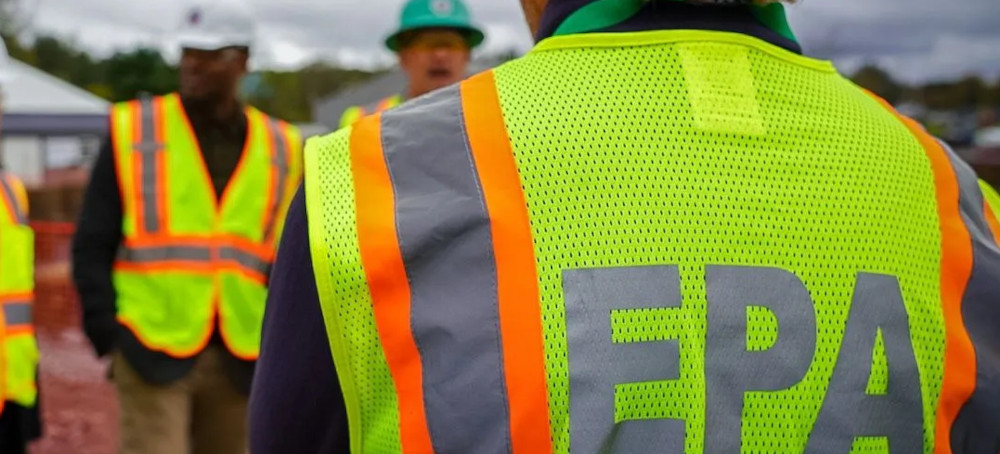 Under President Donald Trump, the Environmental Protection Agency is attempting to revoke funding for one of its most ambitious actions against climate change, the Greenhouse Gas Reduction Fund, or GGRF. (photo: iStock)
Groups that were awarded roughly $20 billion in federal funding for clean energy and climate-related projects told Newsweek that they have been locked out of their bank accounts for more than a week as the Trump administration attempts to claw back the money.
A group of Democratic lawmakers accused the EPA of making "inaccurate and misleading claims," and one legal scholar called the EPA's freeze on GGRF funds "strikingly illegal." The agency's request for an order to freeze bank accounts even precipitated the resignation of a senior prosecutor at the Department of Justice who said there was not sufficient evidence to support the EPA's action.
As of Thursday, bank accounts for the recipient groups remained frozen with no explanation from the bank or EPA, representatives of the groups said, and the EPA had produced no evidence of any wrongdoing by the organizations. Citibank, the designated financial agent for the GGRF accounts, declined to comment for this story.
A staff member at one of the groups, who spoke to Newsweek on condition of anonymity because they were not authorized to speak publicly, described an atmosphere of chaos and uncertainty as they were unable to access accounts to meet payroll for employees or to pay for ongoing work at projects.
The developments have cast a pall of uncertainty over clean energy and energy-efficiency projects around the country. A former EPA adviser said disadvantaged communities already suffering high energy bills and heavy pollution burdens stand to lose the most.
"These are programs designed to help low-income households lower their energy costs and reduce their exposure to pollution," former EPA adviser Zealan Hoover told Newsweek. "It would just be a huge, missed opportunity to pull back now."
'Inaccurate and Misleading' Claims
Congress approved $27 billion for the Greenhouse Gas Reduction Fund, the largest part of the 2022 Inflation Reduction Act, President Joe Biden's main initiative on climate change. About $7 billion of that went toward the Solar for All program aimed at expanding rooftop and community solar power in low- and moderate-income communities.
About $20 billion went to two programs designed to expand financing opportunities for clean energy and energy-efficiency projects: the $14 billion National Clean Investment Fund and the $6 billion Clean Communities Investment Accelerator.
That $20 billion portion of the GGRF funding—managed by Citibank as the financial agent selected by the EPA and the Treasury Department—is now the target of the freeze.
In a video statement released by the EPA on February 13, Administrator Lee Zeldin said he wants to terminate the financial agent agreement and have the bank return the balance.
"The days of irresponsibly shoveling boatloads of cash to far-left, activist groups in the name of environmental justice and climate equity are over," Zeldin said. He accused the previous administration of "rushing to get billions of your tax dollars out the door before Inauguration Day."
Several members of Congress and people who were involved with the funding process said Zeldin has offered no evidence of any wrongdoing and that he is mischaracterizing the nature and timeline of the program's application and vetting process.
In a letter sent to the EPA Monday, Democrats on the Senate Committee on Environment and Public Works said Zeldin's "inaccurate and misleading" claims were a pretext to do away with a program Congress had already authorized and funded.
"You and your team discovered nothing—and certainly not taxpayer money being wasted," the senators wrote.
The lawmakers said the decision to have Citi manage GGRF grants was made by April 2024, "seven months before the 2024 election and more than nine months before Inauguration Day."
Former EPA adviser Hoover said the eight recipient groups, which include nonprofit coalitions and community development financial institutions, underwent a thorough vetting and application process in the grant competition.
"We really thoughtfully worked through all of the different considerations and controls for the program to make it as robust and effective as possible," he told Newsweek.
Hoover also countered Zeldin's characterization of the use of a bank as a financial agent. In his video, Zeldin said money was "parked" at an outside financial institution.
"This scheme was the first of its kind in EPA history, and it was purposefully designed to obligate all of the money in a rush job with reduced oversight," Zeldin said.
Hoover said the Treasury Department frequently uses financial agent agreements. In a 2017 report, the Government Accountability Office said the Treasury has "a long history of using financial agents to support its core functions" and recommended ways to strengthen the accounting programs the department uses.
"This is a very well-established program and has been commonly used under administrations from both parties, including the first Trump administration," Hoover said.
The EPA did not respond to a request for comment for this story.
'Strikingly Illegal' Move by the EPA
David Super is a professor at Georgetown Law, where his research focuses on administrative law, constitutional law and legislation. Super told Newsweek that the EPA's attempt to claw back the GGRF money is "strikingly illegal."
Super said that freezing the accounts put the federal government in breach of contract. If there was evidence of misconduct by the recipient groups, he said, the EPA should have given the grantees notice and an opportunity to respond before terminating the contract.
"They're simply using the word 'fraud' as a political epithet but have no evidence of any wrongdoing," Super said. "There's a danger that prosecutors will be pressured into putting together false investigations and false charges to back up the politics."
On February 18, a veteran prosecutor at the Department of Justice abruptly resigned after a dispute over whether there was sufficient evidence to order the freeze on GGRF accounts.
The Washington Post published the resignation letter from Denise Cheung, who had been head of the criminal division. In the letter, Cheung described her "concern about the current lack of evidence of any apparent crime" after receiving a request from the EPA to send a letter to the bank.
"I still do not believe that there is sufficient evidence to issue the letter you described," Cheung wrote, "including sufficient evidence to tell the bank that there is probable cause to seize the particular accounts identified."
A source familiar with the situation told Newsweek on condition of anonymity that FBI agents were at EPA offices within the past week conducting interviews and collecting material related to the GGRF. A spokesperson for the Department of Justice declined to comment for this story.
Super predicted that if the GGRF accounts remain frozen, the grantees will likely sue the federal government, "and they'll win." He said he was struck by the irony that the EPA's purported motivation for cutting the funding is to limit waste, fraud and abuse.
"But the charges of fraud without any evidence are highly abusive," Super said. "Withholding money that will eventually have to be paid after expensive litigation is wasteful, and the assertion that they have the power to do this is a fraud."