Denver Mayor Bars ICE From City Property and Orders Protection for Protesters
Jack Healy The New York Times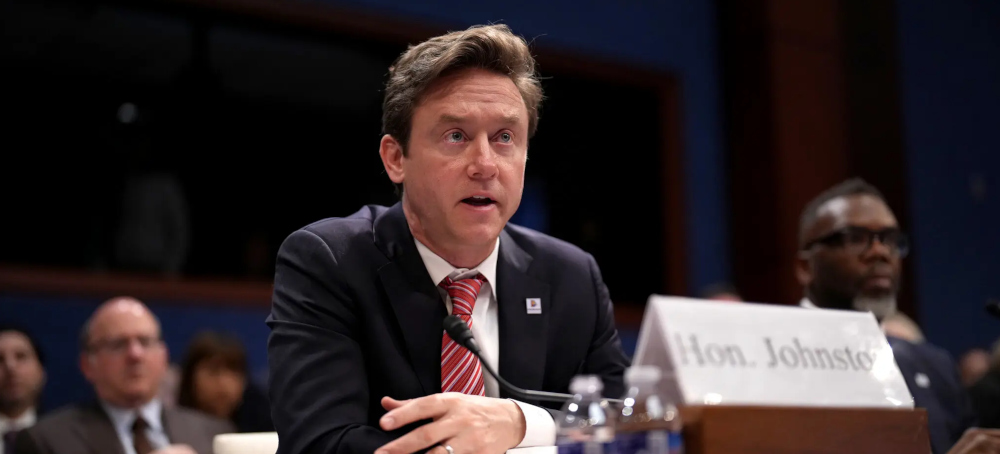 Mayor Mike Johnston of Denver at the U.S. Capitol testifying at a congressional hearing last year. (photo: Eric Lee/The New York Times)
Mayor Mike Johnston’s order is a defiant shift from his measured stance and risks drawing attention to Greater Denver after President Trump during the campaign promised a “bloody story” there.
His order bans federal immigration agents from city property in their operations and mandates that Denver law enforcement protect peaceful protesters at the scenes of immigration operations.
“One of the top questions I get is, What is going to happen if ICE comes to Denver?” Mr. Johnston said, referring to U.S. Immigration and Customs Enforcement. “We want to make clear to residents where we stand.”
The order says that Denver’s police officers must intervene if they see immigration agents committing life-threatening abuses, an apparent reference to the two Americans fatally shot by federal agents in Minneapolis. It also says Denver will criminally investigate complaints against immigration authorities, despite the defiance of the federal government to such investigations in other cities.
The moves may prove to be largely symbolic, and the Department of Homeland Security did not offer an immediate response. So-called sanctuary laws already limit how local law enforcement can work with federal immigration authorities, but Denver and the state of Colorado have no power to actually prevent immigration authorities from conducting operations there.
Still, the move marks a combative shift for Mr. Johnston, a Democrat, who took a more measured approach when Republicans in Washington grilled him and other big-city mayors during a televised hearing over “sanctuary city” policies. He defended Denver as a “welcoming city” but also emphasized that Denver had cooperated thousands of times with immigration officers.
The move is all the more defiant because during his 2024 campaign, President Trump repeatedly singled out neighboring Aurora, Colo., falsely claiming Colorado’s third largest city had been taken over by Venezuelan gangs and promising a “bloody story” to rid the region of undocumented immigrants.
“In Colorado, they’re so brazen, they’re taking over sections of the state,” Mr. Trump said in September 2024. “And you know, getting them out will be a bloody story.”
Mr. Johnston said he was aware that he might be drawing Mr. Trump’s attention back to Greater Denver, but he added that he could not make decisions based on how the mercurial president might or might not respond.
Compared with Los Angeles, Chicago and the Twin Cities, Greater Denver has yet to see the promised “bloody story,” but ever since the immigration crackdown and protests in Minneapolis, Mr. Johnston said “fear is real,” especially among its large Latino and East African immigration populations.
“We want to be the ones policing our own city,” he said.
Denver and adjacent Aurora, home to a large working-class immigrant population, took in tens of thousands of migrants from Venezuela and other countries during the Biden administration. The surge strained city resources and prompted Mr. Trump to promise his crackdown during the campaign.
Immigration arrests in ICE’s Denver region have increased more than 200 percent during Mr. Trump’s second term, according to researchers from the University of Colorado, even if the offensive has been relatively low key. Last March, federal agents arrested Colorado’s most prominent undocumented immigrant activist. A weeklong operation in July ended with 243 arrests.
The Department of Homeland Security is also seeking to open a new immigration detention center in a small rural town 30 miles north of Denver, plans that Colorado’s Democratic senators and House members have condemned.
In addition to Mr. Johnston’s executive order, the Denver City Council is expected to pass an ordinance that would prohibit federal agents from wearing masks and require that they show their name and badge number.
A similar measure in California was struck down by a federal judge this month because it exempted state law enforcement. Denver’s ordinance applies to all law enforcement, and makes exceptions for undercover or SWAT operations.
Denver’s moves to constrain ICE are part of a reinvigorated effort by Democrats across the country to restrict immigration-enforcement tactics in their cities and states in the wake of the killing of Renee Good and Alex Pretti during the turmoil in Minneapolis.
The White House has said these efforts amount to flouting federal immigration laws and protecting immigrant criminals.