Bananas, Coffee, Chocolate: How Climate Change Is Threatening the World’s Most Beloved Foods
Nansen Chen Earth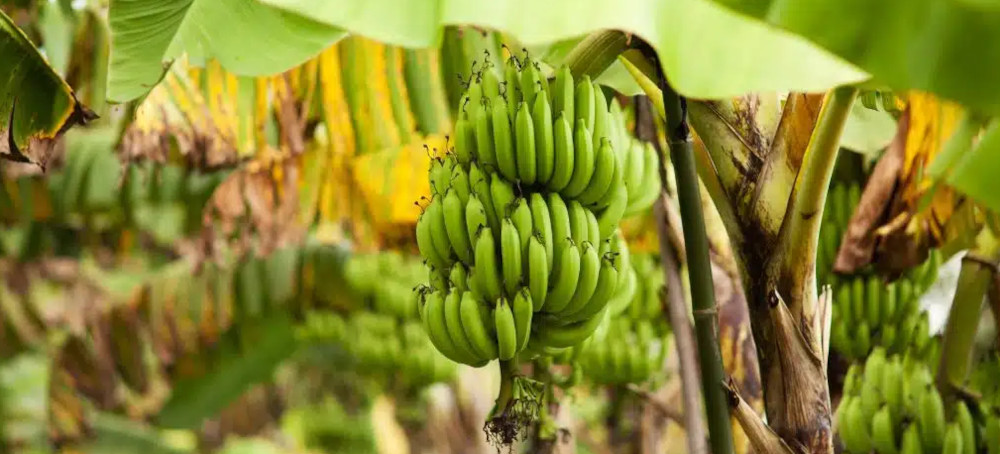 As climate change worsens, so do food supplies, food quality, and farmers’ livelihoods. (photo: Earth)
Agriculture is one of the industries most vulnerable to climate change, as crop yields change in tandem with the interaction of climate factors such as temperature, precipitation patterns, length of growing season, pests and diseases. As climate change worsens, so do food supplies, food quality, and farmers’ livelihoods.
In this article, Earth.Org explores how rising temperatures and changing weather patterns are affecting three of the most popular food crops concentrated near the equator.
Bananas
Bananas are the world’s fourth-largest food crop after wheat, rice and maize, with more than 400 million people relying on them for 15-27% of their daily calories. According to new research by UK-based charity Christian Aid, production in countries like India and Brazil is expected to decline by mid-century because of the effects of climate change, with major exporters like Colombia and Costa Rica also affected.
esearchers also found that up to 60% of the land in Latin America and the Caribbean, the world’s leading banana-producing region, will no longer be suitable for banana crops by 2080.
“Climate change is getting worse every day. It’s killing our plantations and it’s killing us,” Aurelia, a Guatemalan farmer, told the non-profit.
Several climate-related factors can affect banana crops, including extreme weather events like typhoons and droughts. But according to Sophia, another farmer from Guatemala, extreme heat is what is decimating fields in her country. “The greatest problem we are facing here in the community is the high heat, and how the climate here is affecting our plantations, our crops. We have been experiencing this high heat for two years in a row now,” she said.
Unstable weather conditions affect banana production in various ways.
Temperatures below 12C can cause chilling injuries to the plants, while temperatures surpassing 38C typically stop growth, according to Christian Aid. Strong winds during tropical cyclone events are also a problem, as they can tear the leaves, affecting plants’ photosynthesis. Floods brought by heavy rain can also harm the growth of bananas as they can erode the soil.
Another issue affecting bananas is diseases such as Fusarium TR4 and black leaf streak, which are increasingly thriving in hot, wet conditions, affecting crops productivity.
TR4, a devastating disease better known as the Panama disease, was first detected in Asia in the 1970s. It spread to Africa in 2013 and arrived in Latin America seven years later. As the world’s greatest threat to banana production, the soil-borne pathogen permanently contaminates the land, rendering it unworkable. Meanwhile, the black leaf streak is known to impair the plant’s oxygen supply, reducing banana yields by up to 80%.
Coffee
Brazil and Vietnam are the world’s largest coffee producers, accounting for 39% and 16% of the world’s total output, respectively. But especially in recent months, both countries have been impacted by severe climate change-driven extreme weather events, and so have their coffee crops.
Brazil had its driest year since records began in 1950 last year, with the water levels of many rivers in the Amazon Basin dropping to historical lows.
Research published in April showed that Brazil suffered from devastating frost in 2021 followed by severe drought in 2023, which severely affected coffee harvest, particularly Arabica, one of the two main types of coffee beans consumed worldwide alongside Robusta. In the Brazilian state of Minas Gerais, for example, excessive dryness driven by abnormal drought conditions have reduced the vegetative growth of branches, which is crucial for a tree to produce high yields of fruit.
Contrastingly, in 2024, abnormal heavy rains from Tropical Storm Trami affected Vietnam’s main coffee provinces just at the start of the harvesting season. If left too long on the plant after ripening, the beans’ quality will be affected.
Similarly to bananas, coffee is also troubled by pests and diseases, which are spreading like fire in response to rising temperature and humidity. For example, coffee leaf rust, one of the biggest threats to coffee plantations in major coffee production areas in the world, is more likely to spread rapidly in warm and humid environments, wreaking havoc on coffee trees.
In 2020, researchers found that climate change will reduce areas suitable for coffee growing – both Arabica and Robusta – by around 50% by mid-century. Vietnam alone could lose half of its current Robusta coffee production areas by 2050, affecting particularly smallholder farmers, who supply some 95% of the nation’s coffee.
Cocoa
Like most crops, cocoa cultivation is also highly dependent on stable temperatures and humidity and regular rainfall, conditions that global warming is altering in the world’s top cocoa-growing regions. High temperatures inhibit flowering, leading to reduced yields and accelerated maturation that affects the quality of the beans, while imbalanced rainfall patterns create a double whammy of drought and flood. Droughts weaken the trees, making them more susceptible to diseases, while excessive rainfall can encourage the spread of fungal infections like black pod disease, leading to significant crop losses.
The Ivory Coast and Ghana, which account for 50% of global cocoa production, as well as neighbouring Cameroon and Nigeria, saw a six-week longer period of temperatures exceeding 32C in 2024 compared with 2023, which resulted in severe production losses due to impaired photosynthesis in the cocoa trees and failure of bearing fruit.
Inconsistent rainfall patterns impacted all West African cacao-producing countries last year, contributing to lower harvests and raising prices. In parts of the Ivory Coast, rainfall in July was 40% higher than the average in the period between 1991 to 2020, and the resulting floods devastated plantations.
Insects and diseases are also factors contributing to the reduction in crop quantity and quality. Mealybugs are widespread in hot and humid environments and can transmit a deadly virus known as the Cocoa Swollen Stem Virus (CSSV). They acquire the virus by sucking the sap of diseased trees and then migrate to healthy trees to spread it, causing symptoms such as stem and root swelling, leaf yellowing, and organ shrivelling, which eventually kill the plant. According to the Ghana Cocoa Board, CSSV is responsible for an estimated 17% annual loss in cacao production in the country. Nearly 600,000 hectares of land in Ghana were found to be infested with CSSV in 2023.
According to the International Cocoa Organization, the 2024 global cocoa harvest was 13% lower than the previous year. As a result, cocoa prices skyrocketed on the London and New York markets where the commodity is traded. In New York, they exceeded $10,000 per tonne in mid-February this year, down from the previous year’s peak of $12,500. Prices in New York have largely hovered between $2,000 and $3,000 per tonne for decades.
The Human Impact
Increasingly uncertain and adverse weather conditions, rising production costs, tight producer margins, and the spread of plant pests and diseases are causing severe concern to the crop industry.
40 to 50 million people count on cocoa for livelihood, 25 million people directly make a living from the coffee beans, while bananas represent a source of income for over 400 million people. When climate change affects their harvests, it also affects their income and ability to feed their families. For example, exports of all forms of coffee from the world as a whole decreased by 5.5% to 11.43 million bags this April compared to 12.09 million bags in April 2024.
“Some people no longer want to continue [growing coffee], because they believe it doesn’t give them what they want, profitability,” said Virula López, operations manager at a coffee farm in Guatemala.
The loss of the crop has a direct impact on their incomes and livelihoods. Many banana-growing communities are heavily dependent on the crop for their survival and economic well-being, and crop losses have a direct impact on their incomes and livelihoods.
“Bananas are not just the world’s favourite fruit, but they are also an essential food for millions of people,” said Osai Ojigho, the director of Christian Aid’s policy and public campaigns. “The lives and livelihoods of people who have done nothing to cause the climate crisis are already under threat.”
Besides, increasing pest controls means increased use of pesticides, which can harm farmers’ health. In the cocoa industry, every year 44% of farmers are poisoned by pesticides, with chocolate consumers also at risk. “Both weather and diseases can wipe out whole plantations, putting farmers’ incomes at even greater risk,” Ojigho added.
The most vulnerable industry under climate change is affecting the poorest group. According to Christian Aid, most chocolate growers earn less than US$1 per day. Since prices are set at the beginning of each cocoa harvest, farmers do not receive higher incomes when global selling prices rise. Farmers are also disadvantaged by an unfair supply chain: the average cocoa farmer earns only 6% of the final value of a bar of chocolate.