US Families Are Behind on Bills at Rate Not Seen Since Great Recession of 2008
J.R. Duren The Independent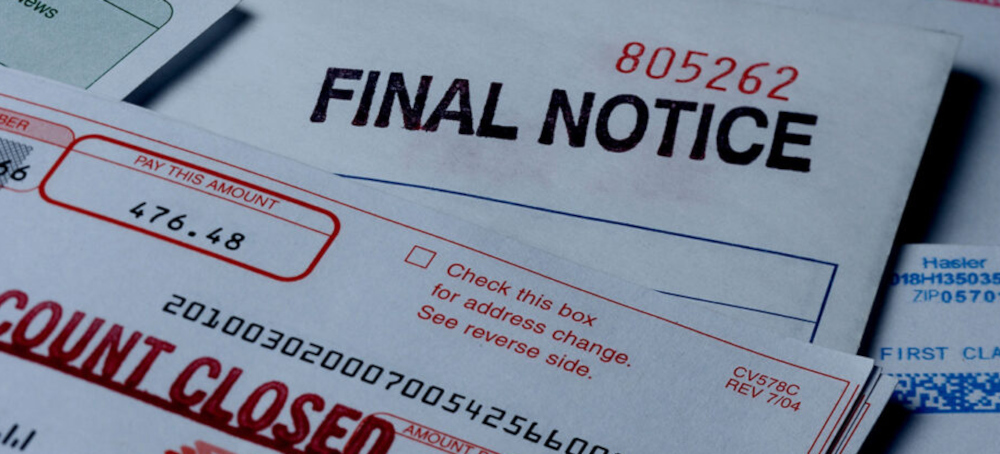 The last time Americans were so behind on bills was during the 2008 Great Recession when the unemployment rate was double what it is now. (photo: iStock)
The last time Americans were so behind on bills was during the 2008 Great Recession when the unemployment rate was double what it is now
One in five households are behind on a loan payment, reported the Federal Reserve in its three-year survey of 4,367 U.S. families.
“Between the 2022 and 2025 surveys, the share of families that reported being behind on loan payments sharply increased from about 12 percent to almost 20 percent,” the report said.
The median debt per household - which includes credit cards, student loans, mortgages and other lending types - rose from $170,200 in 2022 to $183,600 in 2025, the report noted.
The number of families at least two months late on a bill has increased 60 percent in the past three years, according to the report.
The last time Americans were so behind on bills was during the 2008 Great Recession when the unemployment rate was double what it is now.
One explanation for the increase in late payments is that consumers took out loans prior to 2026 - and not expecting such significant increases in gas prices, groceries and other essentials.
“In planning their borrowing, families make assumptions about their future ability to repay their loans,” the report said.
“Problems may occur when events turn out to be contrary to those assumptions. If economic shocks are sufficiently large and prevalent, a broad pattern of default, restraint in spending, and financial distress in the wider economy might ensue.”
Other factors have driven consumers to lean on debt to get them through tough times.
Americans’ cost of living has increased 39 percent since September 2016. The median household income has increased 13 percent during that same period, according to federal data.
As consumers’ earning power has fallen behind inflation, many have faced a new reality of paycheck-to-paycheck living, that includes those earning six figures.
Around 35 percent of those earning more than $300,000 are living paycheck-to-paycheck - roughly the same rate as those earning $50,000 to $100,000, a recent Goldman Sachs report found.
These factors have contributed to a widespread feeling of financial uneasiness for the average consumer. Some 40 percent of households aren’t “completely confident in their ability to afford essentials such as food, utilities, housing, and transportation,” a September study from the Financial Health Network found.
That worry extends to Americans’ view of the economy. Consumer confidence in the economy’s future fell to a 12-year low in September, according to a recent monthly report from business intelligence firm Conference Board.