Seven Things the Newly Elected Democratic Governor of Texas Can Do on Day One to Protect the Environment
Luke Metzger Environment Texas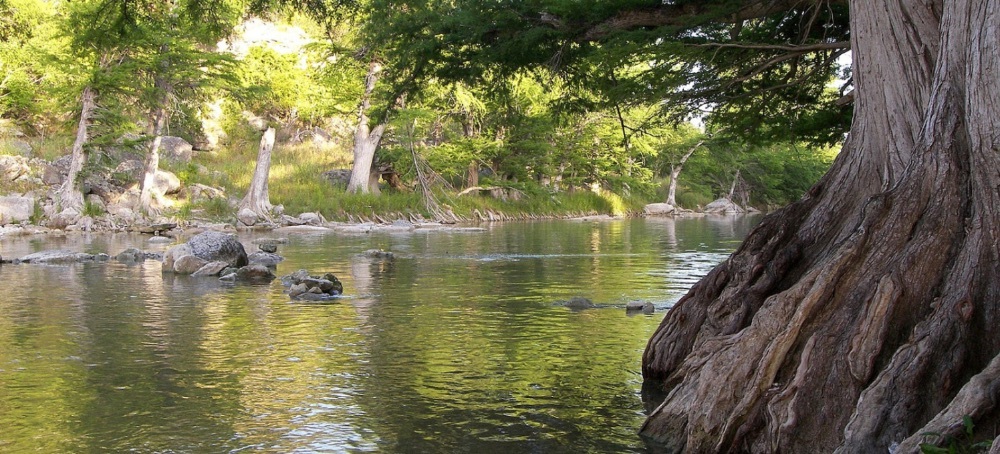 The Guadalupe river in Texas. (photo: Larry D. Moore)
From cleaner air and water to safer roads for wildlife and protecting children from toxic pollution, Texas' next governor can make an immediate difference.
1. Protect rivers, bays and beaches from pollution
The Texas Commission on Environmental Quality (TCEQ) is long overdue in updating the state’s Surface Water Quality Standards, which set protections for our rivers, lakes, bays and estuaries.
Gov. Hinojosa should direct TCEQ to publish proposed updated standards by no later than July 1. The update should include stronger protections against plastic pellet pollution and salinity standards to protect the ecosystems of our bays and estuaries.
These protections would keep our waters clean, protect fish and wildlife, and support coastal recreation and tourism. They also appeal to a broad range of Texans, including recreational anglers, coastal businesses, doctors, Make America Healthy Again advocates, hunters and even musicians.
2. Help wildlife cross Texas highways safely
Texas leads the nation in animal-vehicle collisions, which kill dozens of people and injure hundreds more each year. These crashes also fragment wildlife habitat and threaten vulnerable species.
Gov. Hinojosa should direct the Texas Parks and Wildlife Department and the Texas Department of Transportation to develop a statewide Wildlife Corridor Action Plan that identifies priority locations for wildlife crossings and habitat restoration.
Texas already has crossings that work, including wildlife land bridges in Houston and San Antonio and tunnels for endangered ocelots in the Rio Grande Valley. The two agencies recently signed an agreement to improve coordination on habitat connectivity, and a statewide plan would build on it.
Rep. Lulu Flores and Sen. Molly Cook have proposed legislation to establish such a plan, but the governor could start the process with an executive order. Other western states have embraced wildlife corridor planning, and even State Farm supports wildlife crossings as a way to reduce collisions.
3. Make disaster recovery work with nature
When floods strike Texas, search and rescue operations and cleanup efforts are essential. But if not carried out thoughtfully, these activities can cause additional environmental damage.
After the catastrophic Hill Country floods in 2025, contractors paid by the ton of debris removed tore through rivers and streambeds, clearing trees, including bald cypress, and vegetation and removing natural features that help stabilize riverbanks and provide wildlife habitat. In some places, the cleanup compounded the destruction caused by the flood itself.
“The postflood disaster, in some ways, was worse than what the flood did,” retired federal wildlife biologist Steve Nelle told Texas Monthly.
North Carolina had similar problems after Hurricane Helene and developed guidance for more environmentally responsible cleanup. It calls for removing debris that blocks river flow or threatens structures, leaving natural materials such as embedded logs and rocks in place when possible, protecting living vegetation along riverbanks and limiting heavy equipment in streambeds.
Gov. Hinojosa should direct the Texas Division of Emergency Management to develop similar standards for cleanup in rivers, wetlands and floodplains. Texas can rebuild after disasters while keeping the natural systems that help protect communities from future floods.
4. Take action to clean up Texas’ air
Air pollution contributes to thousands of premature deaths in Texas each year, yet the state has resisted federal efforts to reduce soot pollution.
In 2025, Gov. Abbott asked the Environmental Protection Agency to declare every Texas county in compliance with federal standards for fine particulate matter (PM2.5), even though monitoring data now show 14 counties exceeding those limits.
Gov. Hinojosa should withdraw Abbott’s request and ask EPA to designate the counties that fail to meet the standards. That designation would require the state to develop plans to clean up their air.
As Rice University atmospheric scientist Daniel Cohan recently argued, those plans should address pollution from coal-fired power plants, refineries, chemical plants and other industrial sources. They should also expand air quality monitoring so Texans can see what they are breathing.
With a federal deadline looming shortly after she takes office, Hinojosa has an opportunity to act quickly to clean up Texas’ air.
5. Develop implementation plan for cutting climate pollution
Texas is a national leader in wind and solar energy, but it is also the nation’s largest emitter of greenhouse gases.
In 2025, TCEQ developed a comprehensive roadmap for reducing emissions. Gov. Hinojosa should direct the agency to identify concrete steps state government can take to put that roadmap into action.
Those steps should include strategies for reducing methane pollution from oil and gas operations, an issue Hinojosa has championed through legislation in recent sessions. Methane is a powerful greenhouse gas, and leaks from oil and gas facilities often occur alongside emissions of other harmful air pollutants. Cutting this pollution would benefit both our climate and public health.
Hinojosa has previously called for a Texas climate plan. Turning TCEQ’s roadmap into actionable recommendations would be a good first step.
6. Investigate the health threats from microplastics
Scientists are finding tiny plastic particles almost everywhere they look, including drinking water, food, human blood and organs. Major questions remain about how exposure affects our health and how to reduce the risks.
More than 100 doctors have called on Gov. Greg Abbott to establish a task force to investigate the health impacts of microplastics. They have not received a response.
Gov. Hinojosa should direct the Department of State Health Services to convene a task force of physicians, scientists, public health experts and other stakeholders. The group would review the latest research, examine sources of exposure such as consumer products and plastic manufacturing pollution, and recommend practical ways to reduce Texans’ exposure.
7. Get the lead out of school drinking water
No child should be exposed to lead when taking a drink from a school water fountain. Yet a 2024 Environment Texas Research and Policy Center analysis found lead in drinking water at 78% of participating Texas schools and daycares. Many schools have yet to test their water, and not all contaminated outlets have been fixed.
Lead exposure can harm children’s brain development, learning and behavior, and there is no known safe level.
Gov. Hinojosa should direct the Texas Education Agency, working with TCEQ and the Department of State Health Services, to publish a model lead-safe drinking water plan for schools based on EPA’s 3Ts guidance: Training, Testing and Taking Action. The plan should give clear guidance on testing water outlets, fixing problems, notifying parents, keeping records and publicly reporting results.
The agency should then send a statewide letter encouraging every school district and charter school to adopt the plan and participate in TCEQ’s free lead-testing program.
A new direction for Texas
These seven actions won’t solve every environmental challenge facing Texas. We’ll still need legislative action to accelerate clean energy, reduce industrial pollution, protect our natural heritage and safeguard public health.
But they would send a powerful signal that Texas’ new governor intends to put environmental protection back at the heart of state government.
On day one, Gov. Hinojosa can show that a cleaner, healthier Texas starts now.