How Trump’s Policy Agenda Runs Through One Federal Court, in Texas
Zach Montague and Mattathias Schwartz The New York Times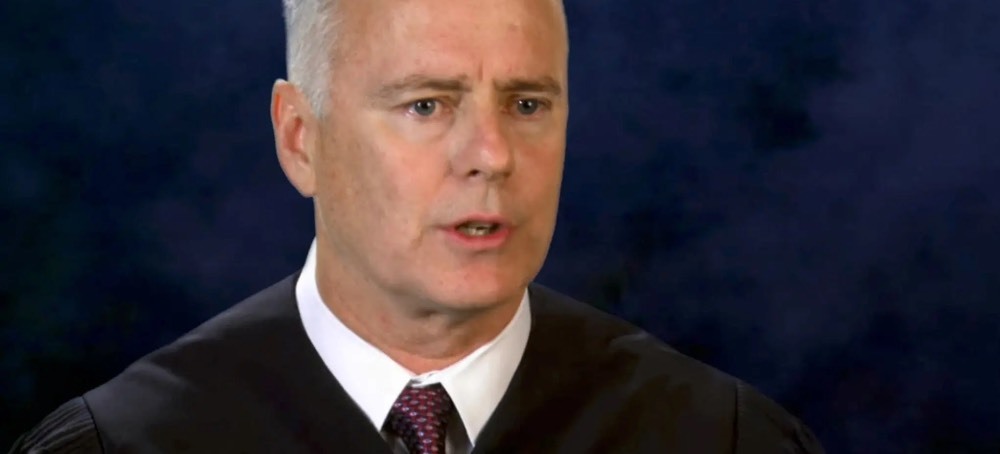 Judge Reed O’Connor in 2018. He has built a reputation as a conservative stalwart and became the chief judge of the Northern District of Texas last August. (photo: Reuters)
For years, conservative litigants flocked to Judge Reed O’Connor’s district. Now, North Texas has become a favorite destination of the Justice Department.
By the end of April, federal judges in Boston, Philadelphia, Pittsburgh, Los Angeles and Seattle had either quashed or substantially pared back the administration’s demands that hospitals send patient records to the federal government.
But the administration did not give up. Instead, in April, it went to the Northern District of Texas’s Fort Worth courthouse, where nearly all cases go directly to the district’s chief judge, Reed O’Connor, or a second judge, Mark T. Pittman, who was appointed by Mr. Trump.
There were no hospitals in Texas that offered the transgender care at issue — state lawmakers banned gender-affirming care for minors in Texas in 2023. But the Justice Department asked the Texas court to enforce a subpoena to the Rhode Island Hospital, arguing that its nationwide investigation of such medical care was “being carried out in the Northern District of Texas.”
That was enough for Judge O’Connor, an appointee of President George W. Bush who has built a reputation as a conservative stalwart and became the district’s chief judge last August.
He granted the motion, clearing the way for the hospital to turn over a variety of personal data, including the names and Social Security numbers of minors who had received treatment.