
The Vanity of Kings
Susan Tallman The Atlantic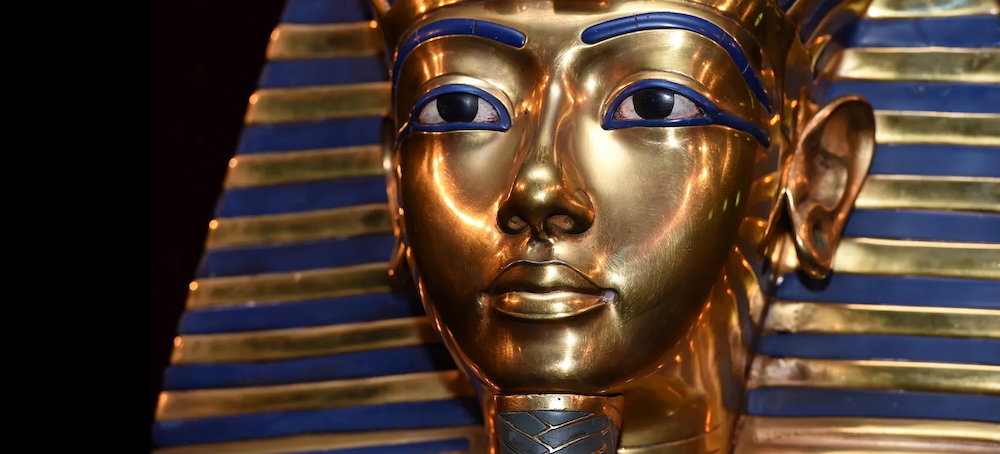 The burial mask of Egyptian Pharaoh Tutankhamun, shown here from a museum exhibit. (photo: Hannes Magerstaedt/Getty Images)063894-tutankhamun-mask-100526.jpg
 The Vanity of Kings
Susan Tallman The Atlantic
How the ancient pharaohs attempted to preserve their legacies for eternity
Things have changed. In Washington, D.C., millions of taxpayer dollars were spent on regilding a pair of allegorical equestrian bronzes with the cheap sheen of a dollar-store trophy, and the Trump administration has been defiantly pursuing legally contested plans for an arch of hypertrophic vulgarity. Meanwhile, in Los Angeles, an exhibition with Kara Walker’s dismembered and reconstituted statue of Stonewall Jackson and his horse became one of the most widely covered art events of the past 12 months. Figurative monuments are now being taken seriously—desired by some (well, at least one guy), vilified by many, and argued over by just about everybody. Whose history do they tell? When should they be pulled down or repurposed? How effective are they anyway?
In this environment, the advent of two big museum shows with “Pharaohs” in the title feels timely. No people on Earth have done monuments more ambitiously and lastingly than the ancient Egyptians. Staking claims to eternal fame, pharaohs stamped their names and features on objects of mind-boggling scale: the Great Sphinx of Giza, the Colossi of Memnon, the mountainous figures of Ramesses II at Abu Simbel.
Curated by the former director of the Egyptian Museum in Cairo, Tarek el-Awady, and with a catalog by the high-profile Egyptian archaeologist Zahi Hawass, “Treasures of the Pharaohs” is both a buzzy blockbuster and an assiduous cultural survey. (Now at the de Young Museum, in San Francisco, it will travel to the Kimbell Art Museum, in Fort Worth, next year.) Its 100-plus artifacts stretch from tiny gold animal amulets some 5,000 years old to a gilded incense burner about 2,700 years younger, and from a child’s clay rattle found in a workers’ settlement near Thebes to the gold funerary mask of the 21st-dynasty king Amenemope, his bland face framed by the flanged nemes headdress still de rigueur for all costume-party pharaohs.