
The Strait of Hormuz Is Getting Less Dire by the Day
Christopher Smart The New York Times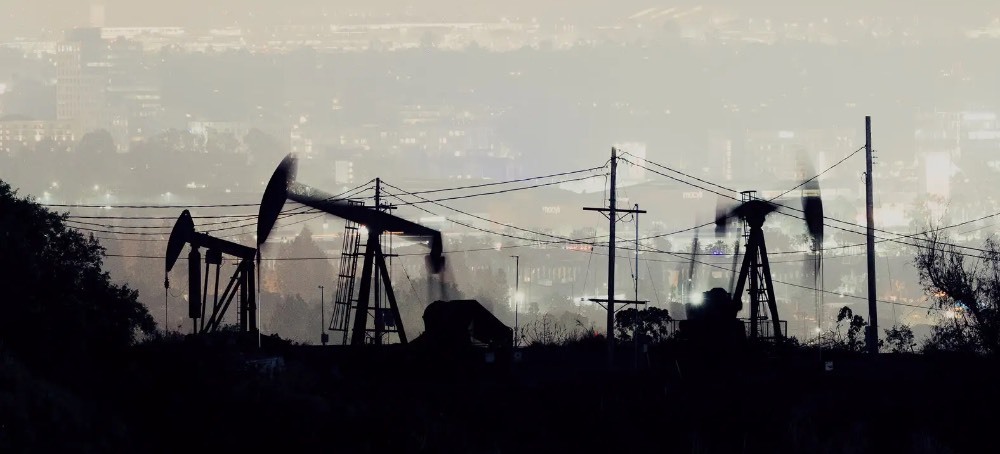 Oil prices have drifted lower recently not because traders expect a swift rebound in Strait shipping, but because they see supply and demand rebalancing. (photo: Aleksey Kondratyev/The New York Times)
 The Strait of Hormuz Is Getting Less Dire by the Day
Christopher Smart The New York TimesBut with every passing day, the world is learning to live without the Gulf’s seaborne exports.
Just as the Covid-19 pandemic and President Trump’s tariffs forced a significant rewiring of global supply chains, the Strait’s closure has prompted a similar adjustment. You might be part of it. When gas prices rise rapidly, people start to limit their driving. Walmart just reported that customers are now buying less than 10 gallons of gas at a time on average at its filling stations.
The United States, Brazil, Canada, Kazakhstan and Venezuela are already increasing their oil production. Large releases of crude oil from the U.S. Strategic Petroleum Reserve are also helping to cover shortfalls. Like a stream that finds its way around a fallen log, markets locate new supplies when the old ones are suddenly cut off.
This adjustment is hardly painless. Qatar can ship its vast liquefied natural gas exports only through the Strait, and as a result, its economy may contract 9 percent or more this year, according to the International Monetary Fund. For the Gulf overall, forecasts for growth have been cut by more than half.
Despite ample domestic supply, the average cost of a gallon of gas at California stations is around $6, and around $4.25 nationally, because global markets set prices. Rising natural gas costs have squeezed German petrochemical production. The loss of Gulf fertilizer, which is processed from natural gas, has delivered painful rises in food costs from Egypt to Indonesia. American farmers and consumers are facing inflation, too.
Markets are dynamic and always respond. First, some oil is already streaming out of the Gulf, either through the trickle of ships that make a run for it, some under U.S. protection, or through pipelines in Saudi Arabia and the United Arab Emirates. Those pipes have the capacity to replace as much as a quarter of normal seaborne flows. Somewhat controversially, the Trump administration has also loosened sanctions on Russian oil to ease our own pain, even if oil money helps fund Russia’s invasion of Ukraine.
Second, the Gulf’s top Asian customers have introduced rationing and other conservation measures. China simply stopped importing for a few weeks. South Korea limited public sector workers to driving on alternate days. The Philippines told government employees to work four days in the office with limits on air-conditioning. Australia has drafted plans for mandatory rationing should the situation deteriorate.
Third, countries are scrambling to rebalance their energy mix. Before the Iran war, some 40 percent of China’s oil imports came from the Gulf. But the country uses oil for only 20 percent of its energy needs and has already begun to get more from Russia, Central Asia and the United States.
South Korea dispatched officials to secure supplies from Malaysia, Kazakhstan and Canada, while announcing plans to develop joint oil storage facilities with Japan. The Japanese government has been relying heavily on domestic reserves to cushion the blow, while cultivating alternative suppliers in Colombia and Mexico and expanding its nuclear capacity. U.S. jet fuel exports may now help European airlines avoid significant cutbacks to their summer schedules.
None of this is to minimize the pain ahead for some companies and industries as inventories and government reserves run low. Refineries and petrochemical plants will inevitably struggle to get the right grade of crude. Spirit Airlines will not be the only company that this crisis tips into bankruptcy. And the outlook will darken substantially if fresh hostilities further damage the Gulf’s energy production.
But choke points rarely last. Mr. Trump’s Republicans may or may not suffer from rising inflation as the midterm elections approach. (The president seems to be of two minds: He said rising gas prices are a “very small price to pay” for defeating Iran; he also discussed suspending the federal gasoline tax.) The longer the Strait remains blocked, however, the less important oil from the Strait becomes.
The S…P 500 is setting records not because investors believe peace is at hand, but because corporate earnings continue to grow and American consumers, particularly wealthier ones, are still buying. Oil prices have drifted lower recently not because traders expect a swift rebound in Strait shipping, but because they see supply and demand rebalancing.
The winners of this adjustment include U.S. oil and natural gas producers that can fill the Strait’s shortfall, as well as nuclear and renewable energy providers. Other petroleum exporters like Brazil and Guyana may benefit, too. So will Russia, if sanctions enforcement continues to weaken.
The Gulf nations face extended losses. Tourists can’t contemplate visiting Dubai without thinking about luxury hotels under attack. Shipowners might need months, even years, to trust that the Strait is free of drone risks. While it’s hard to imagine a world in which the Strait never reopens, it’s also hard to imagine the world economy ever again depending on the region for 20 percent of its oil and gas needs.
Desperate buyers always manage to find new sellers when the old ones can’t deliver. The longer the world lives without the Gulf’s supplies, the easier it gets.