
The Russia/Ukraine War Is Now a Bigger Threat to Energy Prices than Hormuz
Paul Krugman Substack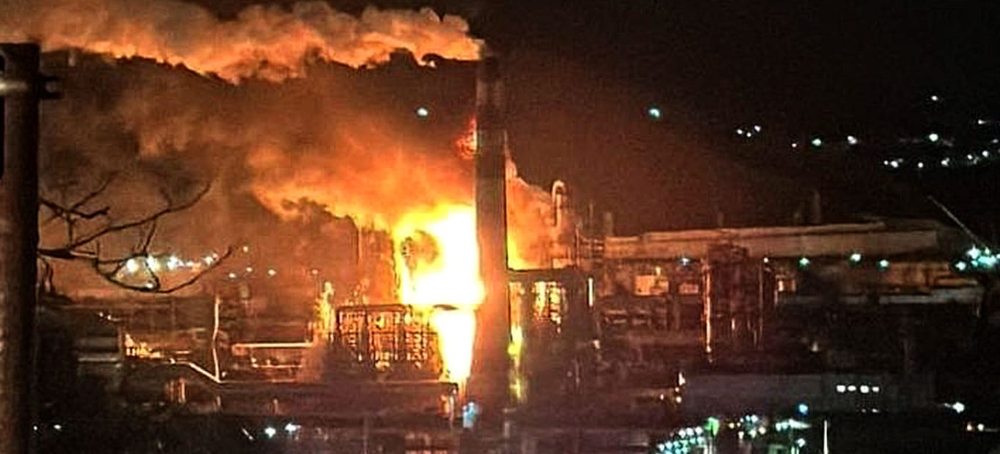 The real energy crunch is coming from the Russia/Ukraine war. (photo: EPA)
 The Russia/Ukraine War Is Now a Bigger Threat to Energy Prices than Hormuz
Paul Krugman Substack
Why? Because the real energy crunch is coming from the Russia/Ukraine war
Folks, this is bad. U.S. national security policy is now entirely in the service of one man’s vanity. We got into this mess because Trump thought he could win an easy victory that would let him strut around feeling powerful. Now we can’t get out because he won’t admit that his war has been a humiliating failure.
The good news is that Trump’s temper tantrum will probably do less economic damage than one might have expected — because the cease-fire that is apparently over wasn’t doing as much good as one might have expected. The fact is that there is now a disconnect between events in the Strait of Hormuz and the energy prices that matter. This disconnect is coming from a surprising place, another war that was supposed to yield a quick, easy victory but didn’t: Vladimir Putin’s attempt to conquer Ukraine.
To see what I’m talking about, start with a question: Why was oil so cheap just before this latest confrontation?
Oil prices rose a lot — about $45 per barrel — after it became clear that Trump’s vision of a splendid little war wasn’t going to be fulfilled and that Iran retained the ability to choke off shipping through the Strait. Here’s the price of West Texas Intermediate, the US benchmark:
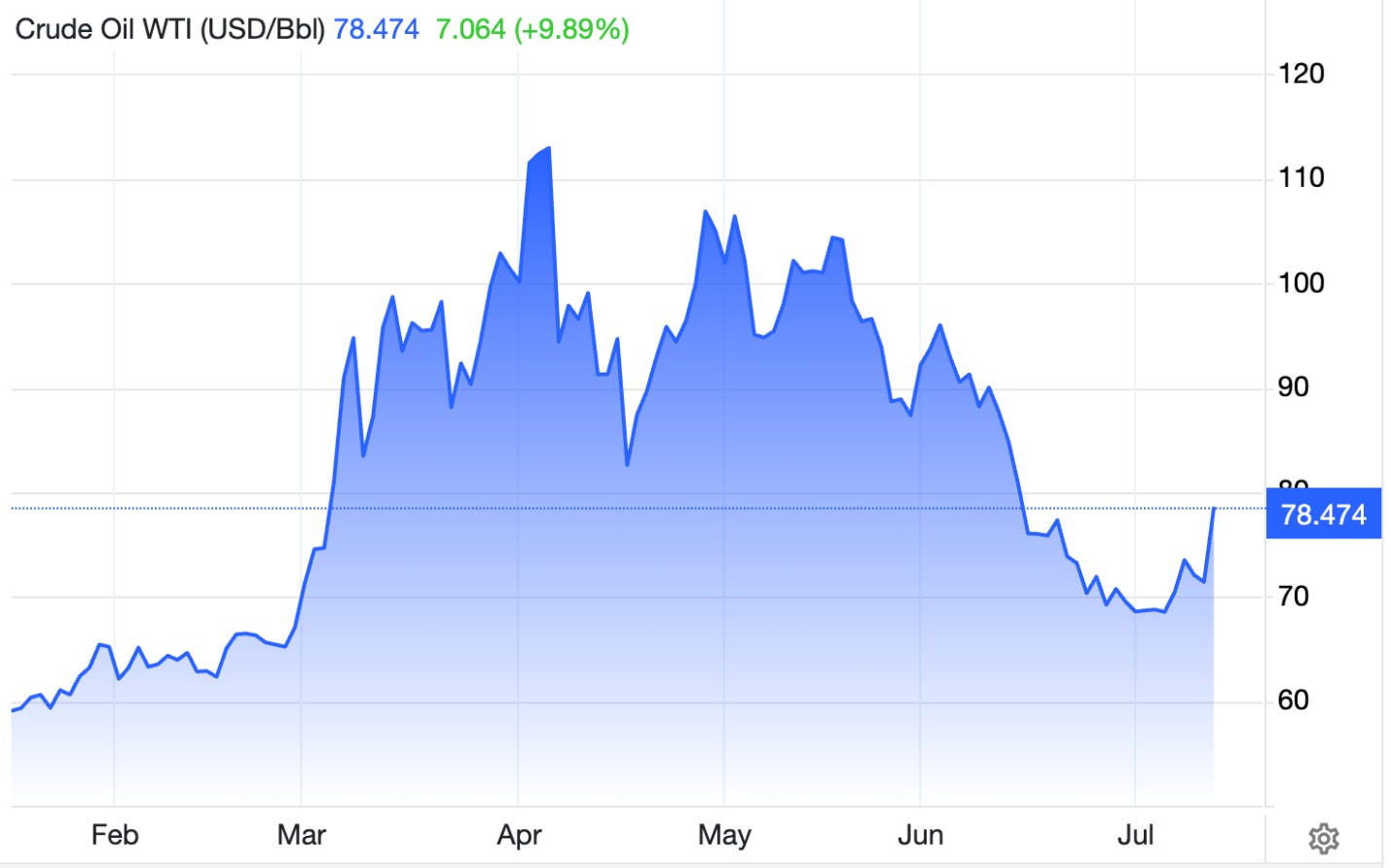
Oil prices did not, however, rise as much as many observers thought they would have to given the huge fraction of global oil supply — around 20 percent — that formerly passed through the Strait. And shipments through the Strait have never come close to fully resuming. So why was the price almost back down to prewar levels before this latest blowup?
Part of the answer is that the world found ways to reduce the impact of the Hormuz closure. Millions of barrels of oil a day literally bypassed the Strait via pipelines. Suppliers outside the Persian Gulf, including Venezuela, increased production. China sharply reduced its oil imports. And a significant part of world oil demand was met by drawing down inventories.
There was, however, another factor: The effective price of oil to consumers — which is the price that matters for demand — rose a lot more than the crude oil prices one usually hears about. Even before the latest crisis that effective price remained far above prewar levels. And these continuing high prices to consumers kept oil demand low and hence depressed the demand for crude.
What do I mean by the “effective price” of oil? Consumers don’t burn crude oil. They burn products like gasoline and diesel that are refined from crude oil. As Javier Blas points out in a very useful Bloomberg article, a rough rule of thumb is that every three barrels of crude are refined into two barrels of gasoline and one barrel of heavier distillates like diesel fuel.
Since there are 42 gallons in a barrel, this suggests that the effective price of a barrel of oil to consumers is 28 times the pump price of a gallon of gasoline plus 14 times the price of a gallon of diesel. Here’s what that price has looked like since the beginning of this year:
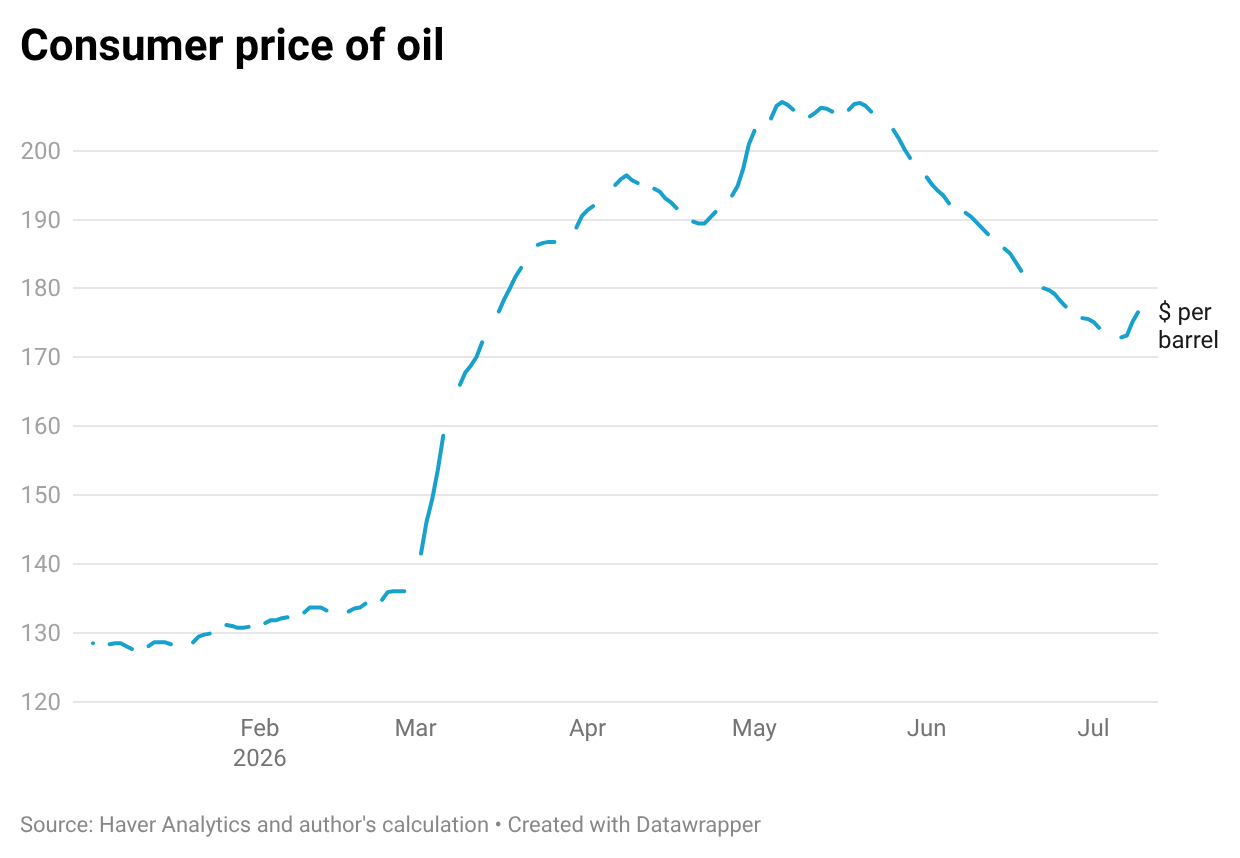
As you can see, the price of oil to consumers rose substantially more than the actual price of crude — around $75 a barrel versus $45. This presumably led to a much larger fall in demand than one would have predicted from the price of crude alone. And effective prices to consumers were still far above pre-war levels even before the latest round of shouting-and-shooting between Trump and the IRGC began. The higher effective prices to consumers were holding global demand down even though crude prices were almost back to pre-war levels.
Why are prices of gasoline and diesel so high compared with crude oil prices? As Blas explains, because there is a global shortage of refining capacity.
Some of this shortage reflects the loss of refined products that were formerly exported from the Persian Gulf. But a big factor now is the ongoing war between Russia and Ukraine.
Before that war began, Russia was a major exporter of refined petroleum products. But Ukraine’s astonishing mastery of drone warfare has enabled this valiant democracy to carry out an ever-more-effective strategic campaign against Russian energy infrastructure, above all its refineries. Russia not only can’t keep exporting gasoline and diesel fuel, it’s now facing major shortages (and huge gas lines) at home, and may soon be forced to import refined products.
The result is, as I said, a global shortage of refining capacity. Blas suggests that around 10% of world refining capacity is now out of operation.
And this shortage of refining capacity makes the collapse of the jerry-rigged deal to reopen the Strait of Hormuz less relevant than one might have thought. To oversimplify, a true reopening of the Strait would have made more crude oil available to the global economy, but that wouldn’t have done the global economy much good in the short run, because in the world doesn’t have the capacity to turn that crude into usable products.
Perhaps that’s too glib. Gasoline prices have ticked up with the renewed Hormuz confrontation, which wouldn’t be happening if refining capacity were the only constraint that matters:
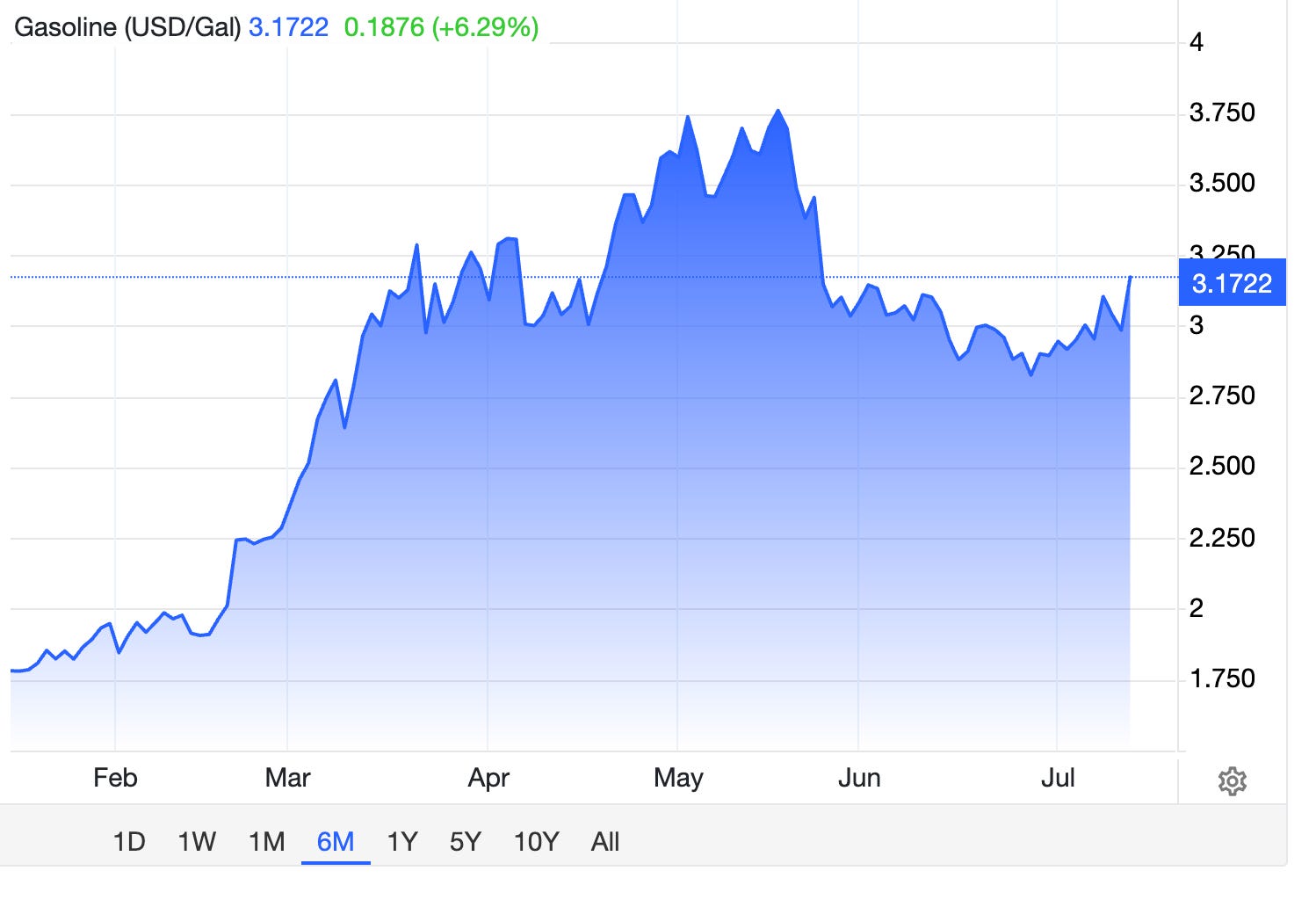
Nonetheless, it’s safe to say that the end of the Hormuz deal, such as it was, doesn’t change the underlying dynamics. In other words, expect the pain at the pump to continue and inflation to remain sticky.
And of course the overarching moral of this story is the immense folly and criminality of a war that has left America and the world in a much worse place than they would have been if Trump and his enablers had just left things alone — or, better yet, had preserved the pretty good deal Iran and Barack Obama had agreed to in 2015.