
Pelosi Eyes Exit, Hakeem Jeffries Eyes Ascension
John L. Dorman Business Insider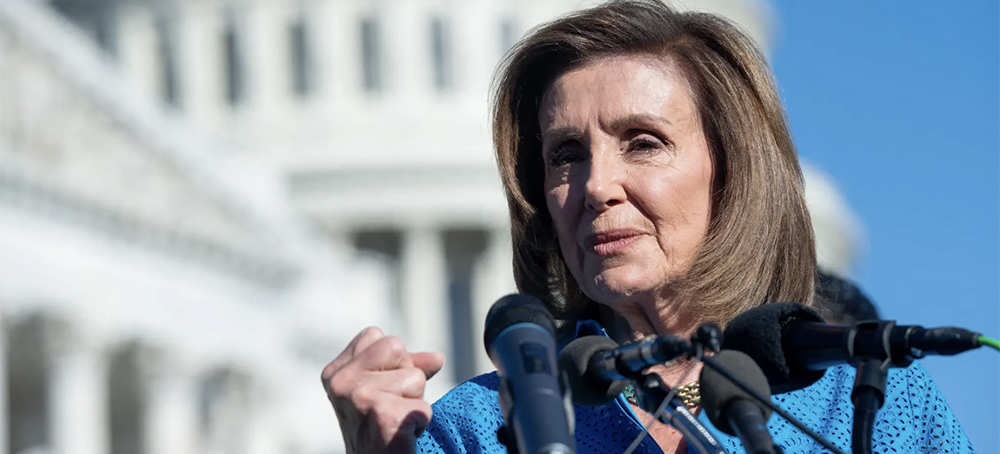 House Speaker Nancy Pelosi speaks at a news conference on the "Women's Health Protection Act" outside the US Capitol on September 24, 2021. (photo: Saul Loeb/AFP/Getty Images)
Pelosi Eyes Exit, Hakeem Jeffries Eyes Ascension
John L. Dorman Business InsiderAt that point, Pelosi had led the House Democratic caucus since 2003 — and had previously served as speaker from 2007 to 2011 — and despite the pushback, she still had broad support from most members.
In December 2018, Pelosi came to an agreement that would limit her tenure to four years as speaker, and she went on to earn the support of many of the moderate and newly-elected lawmakers who were initially resistant to her leadership.
The speaker can point to many consequential pieces of legislation that she shepherded through the House, including the American Recovery and Reinvestment Act of 2009 and the Affordable Care Act, along with muscling President Joe Biden's domestic agenda through a closely-divided House.
However, with the 2022 midterm elections in sight, Pelosi, 81, is expected to leave her post at the end of the current Congress, with Democrats anticipating a huge leadership shift that will define their party for years to come as a new generation takes hold, according to The Washington Post.
For as long as Pelosi has led the caucus, Rep. Steny Hoyer of Maryland, 82, has served as both the majority leader and minority whip, while Rep. Jim Clyburn of South Carolina, 81, has been the majority whip and the party's assistant Democratic leader.
In the coming years, though, the party's House leadership team is set to be dramatically different.