
‘Not a Damned Penny.’ Texas Flood Survivors Look for Help
Edgar Sandoval The New York Times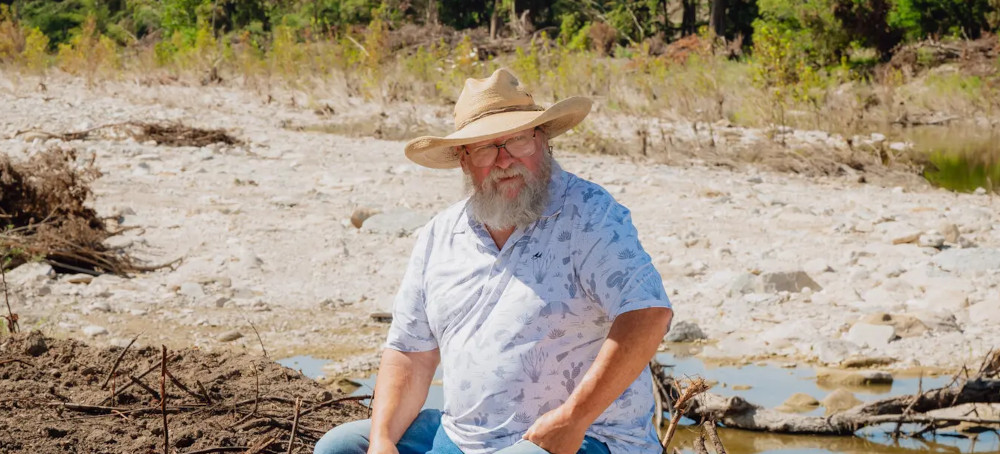 From the early days of the tragedy, officials in Kerr County have faced questions about the weak local government response and lack of alarm systems along the river. (photo: Desiree Rios/The New York Times)
 ‘Not a Damned Penny.’ Texas Flood Survivors Look for Help
Edgar Sandoval The New York Times
From the early days of the tragedy, officials in Kerr County have faced questions about the weak local government response and lack of alarm systems along the river.
Mr. Richards, 67, has been waiting for help ever since, from federal, state or local officials who could aid in the search, pitch in money for those who need it or help clear land that, he said, “still looks like a bomb went off.”
“Not a damned penny came through this gate from my taxpaying dollars,” he said on Tuesday as he looked at the twisted trees and piles of debris that still litter his property and beyond. “And I don’t understand why.”
Mr. Richards is one of many residents planning to confront members of a Texas legislative committee on Thursday at a flood hearing in Kerr County, which suffered the brunt of the 136 known deaths in the Texas Hill Country. Kerr County’s 100 dead included at least 27 counselors and campers from devastated Camp Mystic, most of them from two cabins near the river.
From the early days of the tragedy, officials in Kerr County have faced questions about the weak local government response and lack of alarms systems along the river. They have been at a loss to explain why they failed to secure grant funding for a flood warning system in recent years.
Officials in Kerr County did not respond to requests for comment, but they will have a chance at Thursday’s hearing, which comes a week after W. Nim Kidd, the chief of the Texas Division of Emergency Management, directed the attention of a hearing in Austin toward local emergency managers, where he said “the responsibility of being in charge rests.”
Nearly a month after the floods, many volunteers from around the country, and around the globe, have packed up and left. Local and state officials have stopped holding media briefings to update the public. Areas like the hamlet of Hunt, Texas, where entire blocks were swept away by the aggressive waters, have been closed off to reporters and outsiders.
“I get that people have to go home and return to their lives,” Mr. Richards said, “but you can’t help but feel abandoned.”
Kerr County residents said this week they aren’t sure what to expect from the first visit by state officials since the deadly floods. Mr. Kidd initially appeared to blame the National Weather Service, whose initial weather forecasts did not predict the torrent that fell in the early hours of July 4. That triggered an angry response from the Trump administration before Mr. Kidd turned his attention to local officials.
For his part, Mr. Abbott has said that those looking for whom to blame were “losers.”
No one from the Kerr County government or the city of Kerrville, the county seat, were invited to testify at the hearing in Austin last week when Mr. Kidd pointed his finger at them. They will be on the hot seat on Thursday at the hearing in Kerrville, the county seat.
Abby Walston, who oversees a youth program at Trinity Church in Center Point, Texas, said she would rather roll up her sleeves than place blame.
“The big government is pointing fingers at our local government,” she said. “You know, you can play the blame game all day long, but at the end of the day, it was a horrible situation.”
“Now,” she said, “it’s just time to rally together and rebuild.”
Earlier this week, Ms. Walston was coordinating how best to help survivors over the weeks and months to come. She said she plans to set up deliveries of supplies for those in need, especially mothers of young children who need diapers and formula.
“They don’t all know that help is still available,” she said.
Many other areas outside Kerrville and Hunt have received a lot less attention, she said. She can point to a block near her church in the town of Center Point where homes remained shattered and many people are living in temporary recreational vehicles or on relatives’ couches.
It wasn’t long ago that scores of volunteers were buzzing around the property of Carol and Woody Chambless next to the Guadalupe River. This week, it was just Carol, 71, and Woody, 73, sitting next to a fan working overtime to keep them cool.
“We can use the attention from state officials and any ideas on how to help people,” Ms. Chambless said.
“We were the lucky ones,” Mr. Chambless said. “We lived. Many didn’t.”
Graciela Reyes, 70, became emotional thinking about the members of her local church who were swept away and all of the children who died trying to escape the rising water at Mystic Camp.
“My grandchildren are that age,” she said. “It breaks my heart.”
She said she understands that officials at all government levels don’t want to look backward, but she believed that studying what went wrong could save lives next time.
“It’s good that they are coming here and thinking of ways to prevent tragedies,” she said. “They keep telling us that there is no way they could have predicted this. But maybe, they should have.”